
Shaping the Future of TV News in the Age of AI
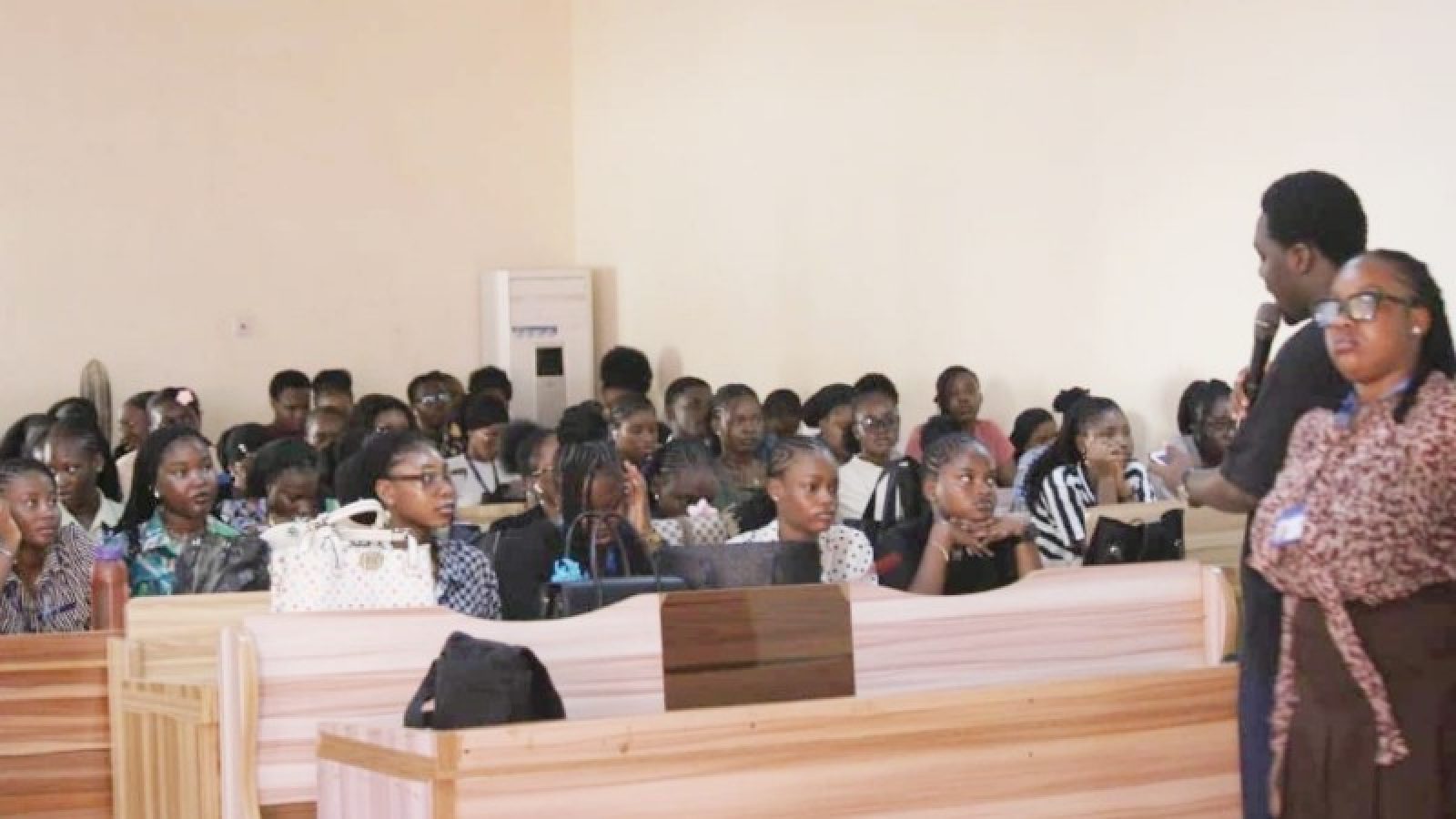
The Department of Broadcasting hosted a well-attended workshop, “Information and Media Literacy: Shaping the Future of TV News Reporting,” at the Mass Communication Auditorium on the Imota campus. The session drew close to 300 students from the 300 and 400 levels for a frank conversation about how television newsrooms must adapt to artificial intelligence, changing audiences, and the growing challenge of misinformation.
Telling fact from noise
Opening the workshop, Dr. Atinuke Akintayo, Head of the Department of Broadcasting, urged students to become disciplined gatekeepers of information. She stressed that the modern journalist’s first duty is to separate credible facts from the noise of misinformation, and encouraged the next generation of reporters to embrace digital tools and AI responsibly rather than fear them.
Journalism can only grow when we have reporters that look beyond the headlines.
Yemi Adebayo, Presidential Villa Correspondent for AIT, challenged the students to pursue specialised reporting and thorough analysis rather than settle for surface coverage.
AI as a tool, not a replacement
AI cannot replace you; you will only be replaced by those who use AI.
Gbenga Arinkebi, a teaching assistant at the University of Colorado Boulder, told the students that artificial intelligence already speeds up tasks such as transcription and captioning, but cannot replace human judgment, context, and newsroom ethics. The lesson, he said, is to master the tools rather than compete with them.
The workshop closed with practical sessions on broadcast photography and camera technique, giving students hands-on time with the craft behind the stories they will one day tell. For the Department of Broadcasting, the event reflected a wider commitment to preparing graduates who are both technically skilled and grounded in the ethics of credible reporting.