
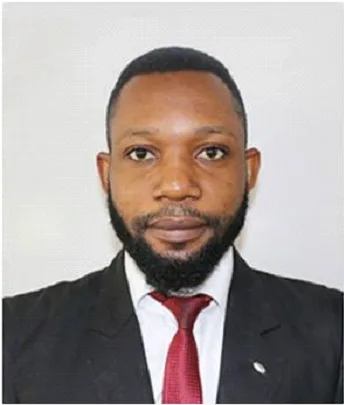
The Centre for Media and Communication Innovations (CMCI) at Caleb University serves as a hub for incubating innovative solutions for the dynamic media landscape. It aims to engage with partners both within and outside the academic sector to explore communication-related issues across contexts and disciplines, including the STEM fields, health sciences, and the private sector.
The Centre serves as an academic hub for interactions among faculty members, scholars, students, and industry experts, promoting sustainable human development in the realm of media and communication. Research is central to the twin missions of Caleb University: to offer solutions to society’s big problems and be a leading global educational institution. In line with this vision, the Centre organised activities on issues of communication and media around the SDGs in alignment with the developmental aspirations of Nigeria.
CMCI has organised a seminar on “Sifting through the Maze of Thick Data: Simplifying the Complexity of Thematic Analysis using NVivo” on August 30th, 2024. The presenter was a research expert, Dan-Muhammadu Ismaila, Ph.D. The center also organised another webinar on “Taming the Beast: Data Visualisation and Framework Matrices in NVivo, Atlast.ti & MaxQDA” on the 20th of December 2024 in collaboration with the Association of Communication Scholars and Professionals of Nigeria (ACSPN) and PR City, Nigeria. The Centre also intends to expand the frontier of research and to drive social behaviour change in communities.
Similarly, the Media for Change Bootcamp, organised by the CMCI, Caleb University, Imota, Lagos, was successfully held on Monday, October 27, 2025, at Imota, Lagos. The one-day intensive event was designed to harness the creative potential of young people and channel it toward meaningful civic engagement through responsible media use and creative digital expression. With the theme “Empowering Youth for Creative Expression of Talent,” the bootcamp offered hands-on learning experiences that transformed participants into media advocates for social change.
The focus of the programme was to equip young people with practical media literacy skills to navigate today’s digital environment responsibly. Foster youth creativity in producing content that promotes peace, inclusion, and positive civic participation, and use storytelling, skit-making, and participatory theatre to raise awareness on social issues and empower youth to become advocates for ethical digital engagement.
The highlights of the bootcamp featured a series of interactive, creative, and participatory sessions tailored to engage and inspire the 50 youth participants aged 15–30 years. Key activities included interactive sessions on ethical media practices. Participants engaged in discussions and role-plays centred on responsible media use, fact-checking, combating misinformation, privacy protection, and respectful online communication. This session strengthened their understanding of the ethical dimensions of media practice. Skit-making for social change, where youth participants collaborated to develop short skits addressing pressing social issues such as drug abuse among others. These performances were recorded and shared across social platforms, amplifying their messages of change.
Storytelling for impact was initiated, and this session empowered participants to craft personal and community narratives using audio-visual and written media. Emphasis was placed on structure, audience engagement, and storytelling as a tool for advocacy and influence. Participatory theatre techniques using improvisation, participants dramatised social challenges and invited audience members to suggest or enact solutions. This approach fostered critical thinking, empathy, and collaboration, allowing young people to creatively explore solutions to community problems.
The bootcamp brought together 50 vibrant youth, with balanced gender representation from diverse community backgrounds. Key partners and stakeholders included Caleb University, community leaders, local youth groups, civil society representatives, and the media. Their collaboration ensured that the programme reflected community realities and strengthened local ownership of its outcomes.
Alignment with the Sustainable Development Goals (SDGs), the Media for Change Bootcamp directly contributed to the achievement of the following SDGs. For instance, SDG 4, Quality Education, by providing inclusive, equitable, and lifelong learning opportunities. SDG 5, Gender Equality, by ensuring equal participation and leadership opportunities for young men and women. SDG 10, Reduced Inequalities, by empowering marginalised youth with digital and creative skills, and SDG 16, Peace, Justice, and Strong Institutions: by promoting media ethics, civic engagement, and peace advocacy.
50 youth were trained in media literacy, ethical digital practices, and creative advocacy. 85% demonstrated improved understanding of media ethics and responsible content creation. Two advocacy skits and two participatory theatre videos were developed and disseminated to promote peace, gender equality, and social responsibility.
Participants reported a major shift from casual or harmful media use to purposeful, socially responsible engagement. Testimonials revealed increased confidence in using media for advocacy and storytelling. A WhatsApp peer learning network was established to sustain mentorship and collaboration among participants. Some of the youths were selected to be featured on Caleb University Radio to share their experiences and inspire others toward ethical media use.
The Media for Change Bootcamp successfully ignited a movement of digitally literate, socially responsible, and creatively expressive youth advocates. It demonstrated the transformative power of media when guided by ethics, empathy, and civic purpose. The Centre for Media and Communication Innovations reaffirmed its commitment to nurturing media-driven change agents who will continue to use their voices and creativity for the good of society. Through this initiative, CMCI once again reinforced Caleb University’s leadership in advancing media innovation, youth empowerment, and community development in Nigeria and beyond.
Centre for Media and Communication Innovations.
― CMCI
About Eric Msughter Aondover, PhD
Director, Centre for Media & Communication Innovations (CMCI), Caleb University, Imota, Lagos. Aondover is a lecturer in the Department of Journalism and Media Studies. He is a communication scholar with specialisation in Media and Communication Research.
He has published papers in several national and international scholarly journals and attended and participated in several conferences and workshops on communication, media, and journalism. He is a member and National Students Coordinator, Association of Communication Scholars & Professionals of Nigeria (ACSPN); member, African Council for Communication Education (ACCE); Deputy Director of Research and Publications for the Association of Media and Communication Researchers of Nigeria (AMCRON) and Fellow of Social Science Research Council (FSSRC), USA.
More about CMCI Director
An award winner of Campus Journalism as “Syndicated Writer”, 2018 and “Book Author”, 2019. Aondover is the Editor/Reviewer of Taylor & Francis Group, UK; Editor/Reviewer of SAGE Publications Ltd, UK; Editor/Reviewer of Springer Nature, New York, USA; Editor/Reviewer of Elsevier, Amsterdam; MedDocs Publishers LLC, USA, Guest Editor of Science Publishing Group (PG), New York, USA, Editor of UNISIA Journal as well as Sparkly Research Journal.